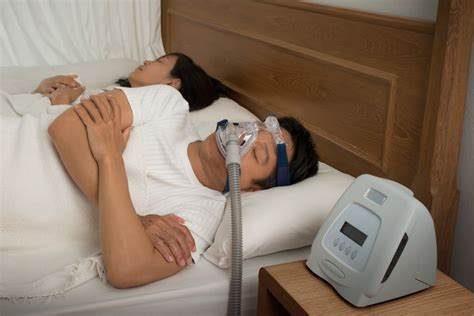
Continuous Positive Airway Pressure (CPAP) therapy is paramount for individuals suffering from sleep apnea and related breathing disorders. CPAP machines deliver a steady flow of pressurized air through a mask, which helps keep the airway open during sleep. Here are some key reasons highlighting the importance of CPAP therapy:
1. Improved Breathing and Oxygenation: CPAP therapy effectively prevents the collapse of the airway, allowing for continuous and unobstructed airflow. This ensures that the individual receives adequate oxygen throughout the night, reducing the risk of oxygen desaturation and associated health issues.
2. Treatment of Sleep Apnea: CPAP is the gold standard for obstructive sleep apnea (OSA) treatment. It effectively addresses the underlying cause of OSA, which is the partial or complete closure of the upper airway during sleep, leading to repetitive pauses in breathing.
3. Reduced Health Risks: Untreated sleep apnea is associated with an increased risk of various health complications, including cardiovascular disease, hypertension, stroke, diabetes, and daytime fatigue. CPAP therapy helps mitigate these risks by maintaining airflow and promoting restful sleep.
5. Enhanced Energy and Alertness: CPAP therapy helps alleviate daytime fatigue and sleepiness, significantly improving overall productivity, concentration, and cognitive functioning.
10. Long-Term Health Benefits: Consistent use of CPAP therapy can lead to long-term health improvements and an enhanced quality of life for individuals with sleep apnea.
It is essential for individuals diagnosed with sleep apnea to comply with their prescribed CPAP therapy and use the machine as directed by their healthcare provider. If needed, regular follow-ups and adjustments to CPAP settings can help ensure the therapy’s effectiveness and optimal health outcomes.