Durable Medical Equipment (DME) is vital in helping individuals live independently. From assisting individuals with disabilities to aiding seniors in maintaining their independence, DME encompasses various devices designed to improve mobility, safety, and overall quality of life. In this blog, we will delve into the significance of DME, its different types, and how it positively impacts the lives of those who rely on it.
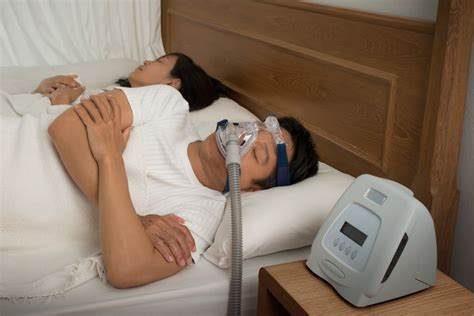
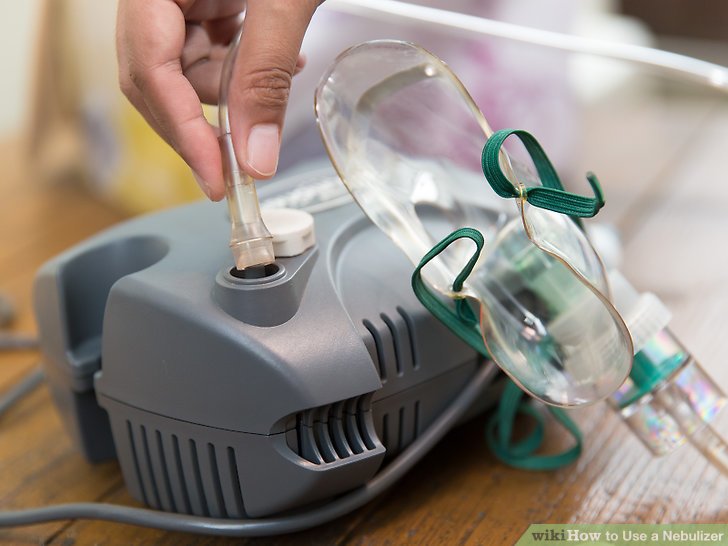
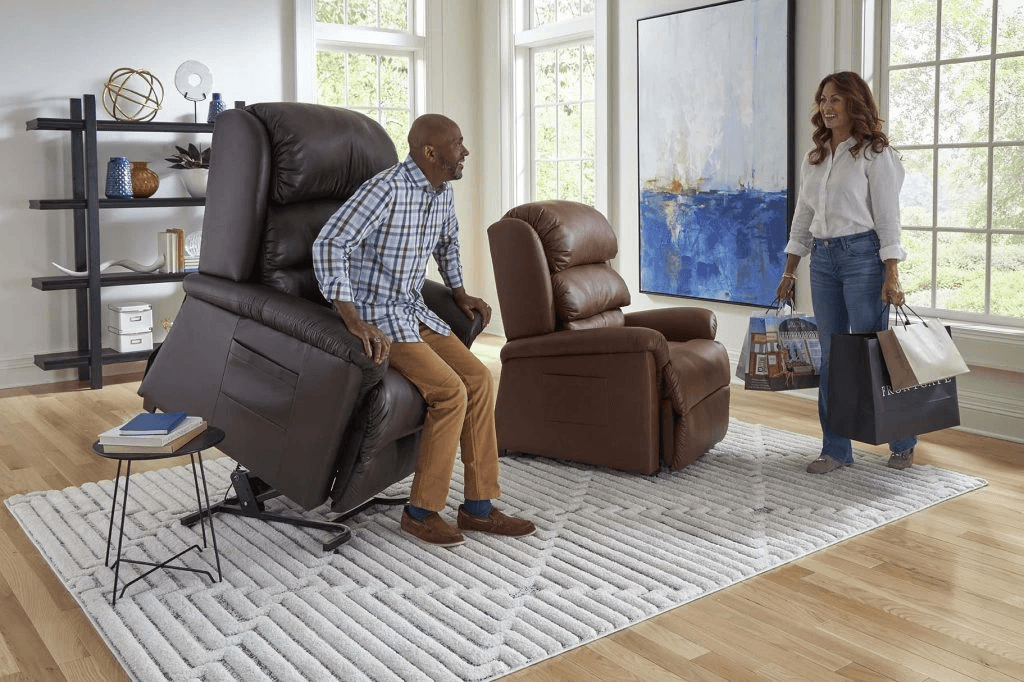
Durable Medical Equipment is a medical device that serves therapeutic purposes, offers medical benefits, and is intended for long-term use. Unlike disposable medical supplies, DME is built to withstand repeated use and is prescribed by healthcare professionals to address specific medical conditions or functional limitations.
3. Safety and Fall Prevention: Devices like grab bars, bed rails, and shower chairs reduce the risk of falls and promote a safe living environment.
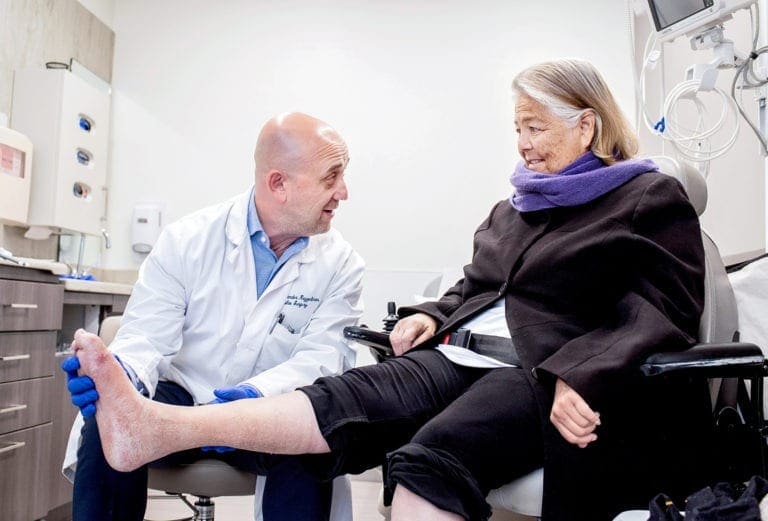
A healthcare professional’s prescription is usually necessary for obtaining DME. Many health insurance plans, such as Medicare and Medicaid, cover certain types of durable medical equipment, making it more accessible and affordable for patients.
Durable Medical Equipment is not just a collection of devices; it represents freedom, independence, and improved well-being for countless individuals across the globe. From providing mobility solutions to enhancing safety and comfort, DME is crucial in supporting patients’ physical and emotional needs. As technology advances and healthcare becomes more patient-centric, we can look forward to more innovative and effective DME solutions that will continue to empower lives and transform the healthcare landscape.